500,000+ WordPress Sites at Risk: Critical Kirki Plugin Vulnerability Enables Full Administrator Account Takeover
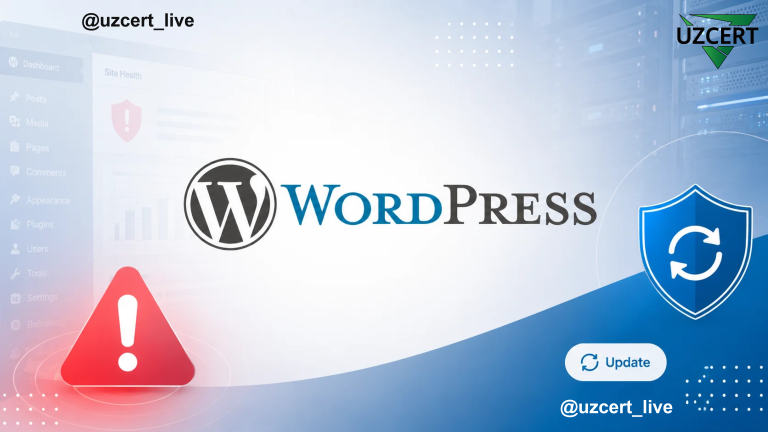
WordPress powers over 40% of the internet — and that dominance makes it a prime target for cybercriminals. The latest threat, now tracked as CVE-2026-8206, is one of the most severe vulnerabilities discovered in the WordPress ecosystem in recent memory, and it’s hiding inside a plugin trusted by hundreds of thousands of site owners.
What Is the Kirki Plugin Vulnerability?
The Kirki plugin is a widely used WordPress tool that extends the functionality of themes, page builders, and the native WordPress Customizer. Its broad adoption is precisely what makes this vulnerability so dangerous.
CVE-2026-8206 affects Kirki versions 6.0.0 through 6.0.6 and carries a CVSS score of 9.8 out of 10 — a critical rating. Security researchers estimate that over 500,000 websites run an affected version, with approximately 150,000 sites currently exposed to active exploitation risk.
How Does the Attack Work?
The flaw lives in Kirki’s password reset function. In a properly secured system, a password reset link should be delivered only to the verified email address tied to a given account. In vulnerable versions of Kirki, however, that binding is never properly enforced.
Here’s how an attacker exploits it:
- The attacker identifies a target — typically an administrator account — and obtains the username.
- They submit a password reset request, substituting their own email address for the victim’s.
- The system validates the username but sends the reset link to the attacker’s inbox.
- The attacker resets the password and gains full, unauthorized access to the administrator account.
No authentication required. No advanced tooling needed. Just a username and an email address.
What Can an Attacker Do With Administrator Access?
Once inside, an attacker has complete control over the site. Real-world consequences of a successful exploit include:
- Installing malicious or backdoored plugins
- Creating hidden administrator accounts for persistent access
- Deploying web shells for long-term server control
- Defacing or replacing site content
- Stealing sensitive user data
- Redirecting visitors to phishing pages
- Using the compromised server to launch further attacks
In cybersecurity terminology, this attack chain spans Privilege Escalation, Persistence, and Account Takeover — three of the most damaging categories in the threat landscape.
Discovery and Patch Timeline
The vulnerability was discovered by security researcher Choigyeongmin and responsibly disclosed to developers through the Wordfence Bug Bounty Program, earning a reward of $6,436 USD.
| Date | Event |
|---|---|
| May 8, 2026 | Wordfence confirms the vulnerability |
| May 9, 2026 | Premium Wordfence users receive firewall protection |
| May 11, 2026 | Kirki 6.0.7 released with the fix |
The three-day turnaround from disclosure to patch is a strong example of responsible vulnerability management.
How to Protect Your WordPress Site
If your site uses the Kirki plugin, take immediate action:
1. Update Kirki to version 6.0.7 or later This is the single most important step. The patch directly addresses the password reset flaw.
2. Audit your administrator accounts Check for unfamiliar admin users or accounts created without your knowledge.
3. Review authentication logs Examine recent password reset requests, login attempts, and access logs for suspicious activity.
4. Enable two-factor authentication (2FA) Even if credentials are compromised, 2FA adds a critical barrier against unauthorized logins.
5. Deploy a Web Application Firewall (WAF) Tools like Wordfence have already rolled out dedicated rules to detect and block CVE-2026-8206 exploit attempts.
6. Disable open user registration if unused If your site doesn’t require public signups, turn off the registration feature to reduce your attack surface.
Bottom Line
CVE-2026-8206 is a stark reminder that even widely trusted plugins can harbor critical security flaws. What makes this vulnerability especially dangerous is its low barrier to exploitation — no sophisticated hacking skills are required, yet the potential damage is severe: full site compromise, data breaches, and loss of user trust.
If you’re running Kirki on your WordPress site, update now. Check your logs, review your user accounts, and layer your defenses. In cybersecurity, a timely patch isn’t just good practice — it’s the difference between a near-miss and a breach.